


Thirty Years: The Devil’s BlackMarket to Satanme
Thirty years ago, Satanic commerce online barely existed. In 1996, most people were still deciding whether the internet had any practical use beyond waiting five minutes for a photograph to load. I was already building The Satanic Network, the first Satanic website, and looking for ways to connect Satanists with the people creating products for them.
Within The Satanic Network, I created a section called The Devil’s BlackMarket. The name was theatrical. The operation was considerably less mysterious. It gathered the mailing addresses of Satanists selling their own products and placed them in one central location.
There were no shopping carts, instant payments or automated shipping notices. You found what you wanted, wrote down the information and contacted the seller directly. This may sound primitive now. It was. It was also one of the first attempts to organize Satanic commerce online and make Satanist-made products easier to find.
The idea was simple: Satanists should be able to support other Satanists, and the people creating authentic work should have a place where others could discover it.
By 2001, internet technology had improved, which is a polite way of saying websites finally stopped fighting back quite so much. The Devil’s BlackMarket evolved into Satannet Plaza, where customers could place orders online instead of relying on mailed catalogs and handwritten instructions.
That change altered more than the mechanics of purchasing. It showed that a centralized Satanic shopping experience could exist as a functioning business. Satanists from different parts of the world could find products created for them without digging through obscure catalogs, sending cash through the mail or hoping someone remembered to update an address from three years earlier.
In 2003, I separated the shopping portion from The Satanic Network and created the Church of Satan Emporium. It became a standalone store offering official Church of Satan products alongside work created by Church of Satan members from around the world.
The Emporium represented something that was still unusual online. It was a Satanic business operated by an actual Satanist, built around products created by people who understood the philosophy, history and symbolism behind what they were making.
The internet eventually became crowded with occult merchandise. Pentagrams appeared on everything from jewelry to coffee mugs, often designed by people who could not tell the Sigil of Baphomet from a decorative goat they found during an image search. The Emporium came from a different place. The products had context, and the people creating them had a personal connection to the culture they served.
By 2011, I was running multiple companies, working full-time and raising a family. Even Satanists remain confined to twenty-four hours in a day. Something had to give, and I closed the Church of Satan Emporium.
That decision reflected one of the practical realities of Satanism. Responsibility is inseparable from indulgence. Ambition without judgment becomes self-destruction, and refusing to recognize personal limits does not make someone powerful. It makes them exhausted.
Closing the Emporium allowed me to place my attention where it belonged at that point in my life. The idea behind it remained, waiting until I had the time, experience and clarity to build something new.
That opportunity arrived in 2019.
Satanme carried the original idea into a very different era. Online shopping had become ordinary, social media had transformed how people discovered products, and Satanic imagery had moved far beyond the small circles where it once circulated.
I had no interest in rebuilding the past. Satanme would be personal, modern, colorful and unmistakably Satanic. It would challenge the idea that Satanic design had to remain trapped in a permanent black and white uniform. Darkness has always looked better with proper lighting.
The name Satanme came from the belief that Satan is you, Satan is me and Satan is each of us individually. Satanism, founded by Anton LaVey and represented by the Church of Satan, places the individual at the center of their own life. Satan serves as a symbol of human nature, self-direction, reason, indulgence and personal responsibility. No supernatural master is required, and none is waiting to approve the choices we make.
That philosophy shaped Satanme from the beginning.
Every design had to possess a reason for existing. I wanted quality materials, careful craftsmanship and presentation that respected the person receiving the piece. I wanted Satanic products that felt intentional rather than mass-produced objects with a pentagram added at the last moment.
I personally design Satanme’s creations and remain involved with the pieces that pass through our gates. That attention extends to the smallest details, including packaging, finishes, proportions and the way a medallion feels when it is finally placed in someone’s hand.
Satanme has never changed direction simply to follow a trend or capture a quick sale. Trends are temporary, and most of them deserve their short lives. The foundation of the brand has remained consistent: create original Satanic designs with authenticity, quality and a clear connection to the culture that inspired them.
Now it is 2026, thirty years after The Devil’s BlackMarket first appeared within The Satanic Network.
The technology has changed. The audience has grown. Satanic products can now be found almost anywhere, although quality and understanding remain considerably harder to locate.
The purpose has endured.
Satanme exists because abundance cannot replace intention. A marketplace filled with identical imported designs does nothing to advance Satanic culture. Independent creators, personal vision and standards that survive beyond the next sales cycle still have value.
Thirty years of experience have also taught me that independence requires more than rejecting authority. It requires accepting ownership. Every success, mistake, risk and decision becomes yours. That is where genuine freedom begins, along with the responsibility for whatever you create from it.
The Devil’s BlackMarket, Satannet Plaza, the Church of Satan Emporium and Satanme belong to different periods of the same history. Each reflected the technology, circumstances and possibilities available at the time. Each came from the same desire to create something useful for Satanists while refusing to dilute the philosophy behind it.
Whatever comes next will be approached the same way everything since 1996 has been approached: on my terms, with a clear purpose and with no interest in asking permission.
Hail Satan!
Magister Frost
Featured Products
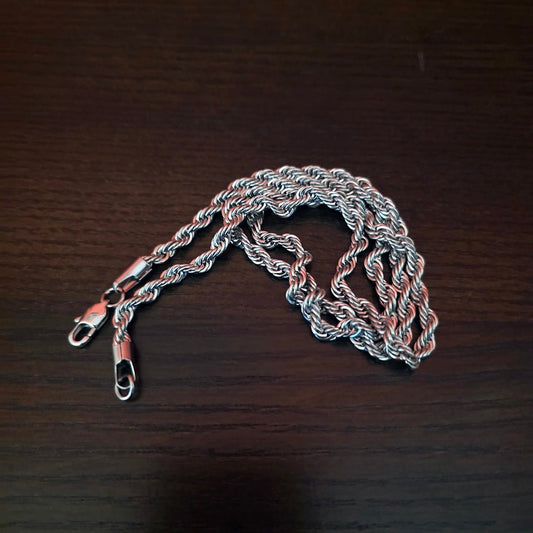

24" 5mm Silver Rope Chain
- $12.00
- $12.00
- Unit price
- per


Abyssborn Baphomet - Hell Forged Steel Medallion
- $40.00
- $40.00
- Unit price
- per


Barb & Brimstone - Hell Forged Steel Medallion
- $33.00
- $33.00
- Unit price
- per


999 Fine Silver Lilith Medallion
- $170.00
- $170.00
- Unit price
- per


The Inception Sigil - 60th Anniversary Limited Edition
- $36.66
- $36.66
- Unit price
- per


Hollowed Circle Lilith Sigil
- $15.00
- $15.00
- Unit price
- per